
Resources
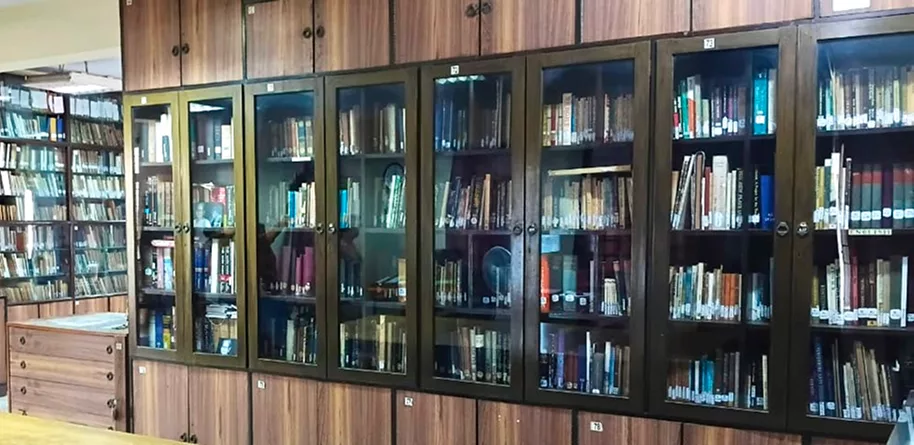
Library
The library of Natya Shodh Sansthan performs a dual role—as a collection of thousands of books and periodicals pertaining to theatre, and as a resource with separate files, photograph, audio and video sections. The cover-file section categorizes information by productions, groups, directors, actors, theories, reviews, advertisements and auditoria, collected from all over the country.
Responding to the needs of visitors, students, researchers and theatre artists, NSS found that theatre studies need to be located in the larger context of the heritage/history
of multiple disciplines (literature, religion, philosophy, history, politics, anthropology, sociology, culture, the various arts, geography and natural sciences). Hence, NSS extended its library by adding a wing named the Heritage Library.
Archives
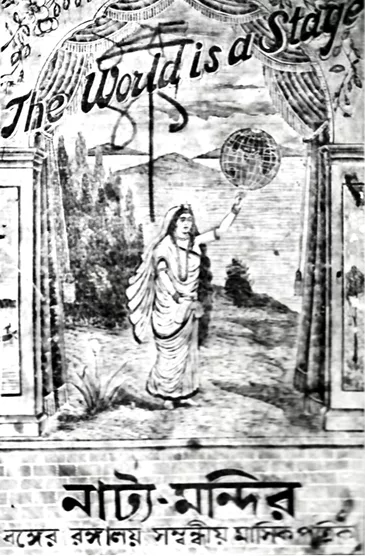
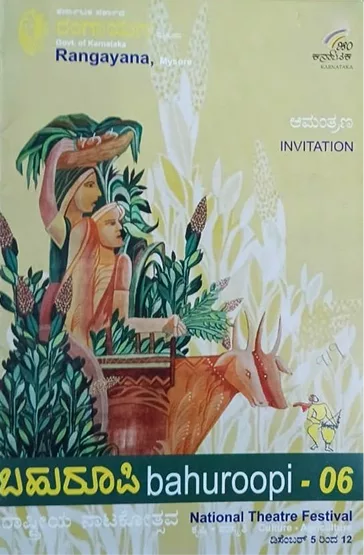
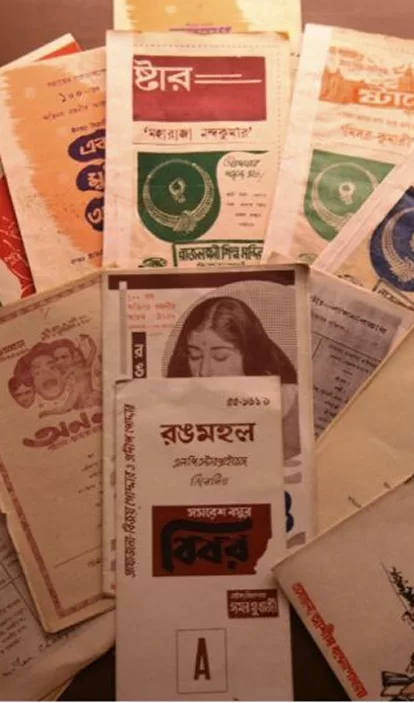
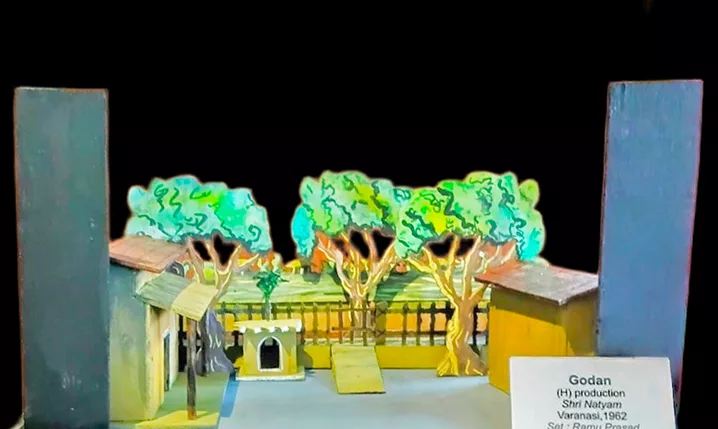
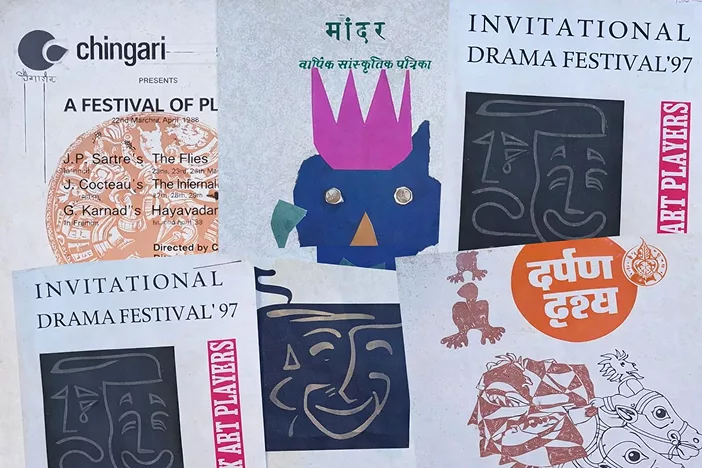
The archives obviously cover a wide range of all of the above sections, consisting of many rare materials. The most valuable consist of original manuscripts, performance scripts, letters of celebrated personalities like Rabindranath Tagore, recorded productions and theatre songs in several languages, set designs and models, stills of major productions, old reviews, press clippings, brochures, folders, tickets, advertisements and posters of historic plays.
Audio Materials
- Marathi Theatre Songs
- Vocal – Ram Marathe
- Language – Marathi
- Tabla – Mukund Marathe
- Harmonium – Viswanath Pendharkar
- A Natya Shodh Sansthan Archival Recording
- Date – 04.02.1998

Video Materials
Among the biggest sources of information and data for users, the recordings of plays, recitation, discourses, exclusive interviews and discussions with different groups and individuals in the possession of NSS throw light on various aspects of theatre history and on theatre practitioners.
Vinyl records of some important groups and productions have been transferred to audio cassettes, which in turn are now being digitized. Audio recordings are available in four forms: gramophone discs, spools, cassettes and digitized files. The discs date back to 1902; on listening to them, one can hear the voices of great actors come alive.
- Play: Charandas Chor
- Language: Hindi / Chhattisgarhi
- Script & Direction: Habib Tanvir
- Enactment: Habib Tanvir, Deepak Tewari and others
- Story: Vijaydan Detha
- Production: Naya Theatre
- Video Recording: 1989
- From the Natya Shodh Sansthan Video Archives Collection
- Play & Direction: Utpal Dutt
- Production: PLT
- From the Natya Shodh Sansthan Video Archives Collection
NSS is gifted with some invaluable video treasures. There is a four-hour recorded interview of Sir Laurence Olivier; Kabuki and Noh classical theatre forms of Japan; a complete documentation of Ninasam, the cultural institute at Heggodu (Karnataka) founded by Magsaysay Award winner K. V. Subbanna; and filmed versions of famous productions in Bangla, Hindi, Marathi, English and other languages, as well as interviews, play readings and seminar proceedings of national importance. The video collection has been fully digitized.
Photograph Archives
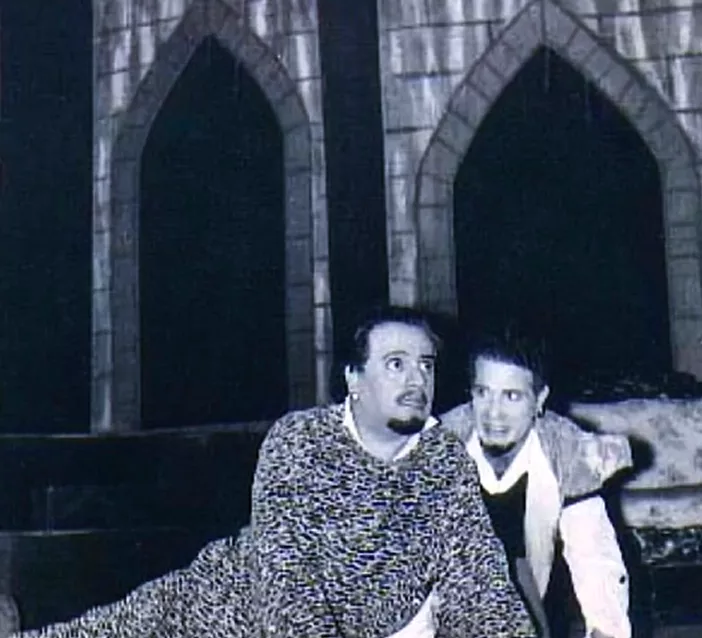
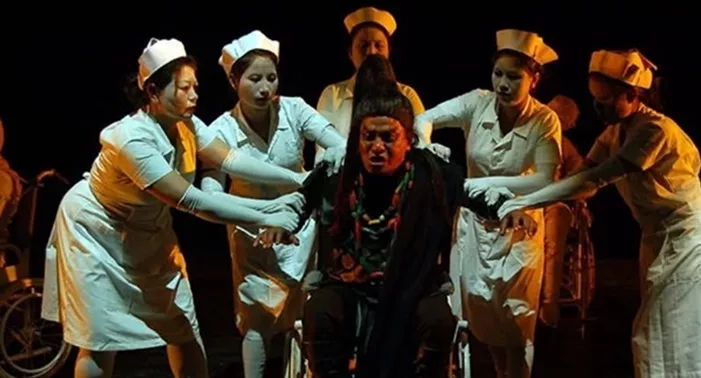
NSS can boast of a formidable collection of photographs covering two centuries of Indian theatre. The approximately 10,000 photos including stills of individuals, productions, painted curtains and portraits of hundreds of artists enrich this section. The oldest photograph in NSS possession is that of Raja Bahadur, produced by Star Theatre in 1891.
Other Materials
Apart from the photograph, audio and video collections, Natya Shodh Sansthan preserves a wide range of rare and invaluable archival materials. These include original manuscripts, performance scripts, posters, tickets, brochures, set models, publicity materials and related theatre ephemera. Together, these materials provide important insights into theatre history, performance culture and institutional memory, forming an integral part of the archival holdings of Natya Shodh Sansthan.

Preservation
With preservation technology changing and developing, Natya Shodh adopted various methods, and now one can find rare posters deacidified and pasted on handmade paper and bound. Video recordings have been digitised, while film prints, microfilms, negatives, and magnetic tapes are stored in an appropriate manner. Bengali, English, and Hindi books, discs, audio and video recordings have been computerised. The All India Institute for Conservation of Historical Materials, Lucknow, extended their expertise in preserving rare documents. Besides, Dr Pratibha Agrawal’s knowledge on the subject, derived from her studies at the Folger Shakespeare Library has helped in adopting preservation methods. NSS, by documenting India’s theatrical past as well as present, endeavours to preserve the country’s cultural heritage and strives to chronicle the saga of Indian theatre.
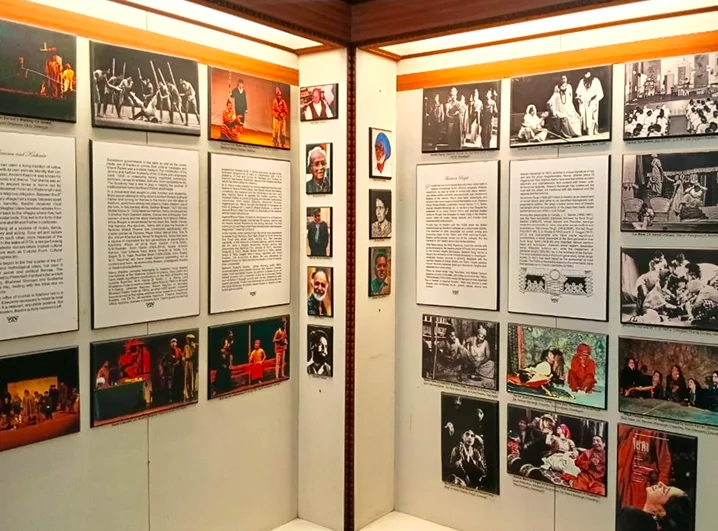
Museum
B. Museum inauguration text:
The Museum was inaugurated on 25th August, 2019 by His Excellency Sri Pranab Mukhopadhyay, Bharat Ratna and former President of India, along with Sri Sankha Ghosh, Sri Jawhar Sarkar, Dr. Pratibha Agrawal and many eminent personalities from the academic and arts world in attendance.
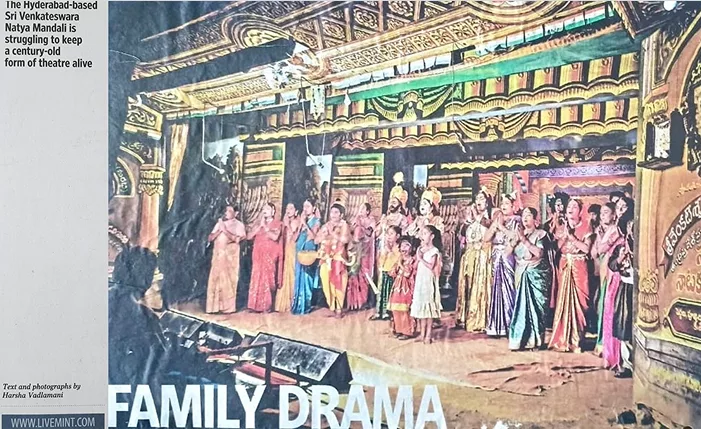
With proper captions, artwork and layout, information about drama, productions, actors, playwrights, sets, costumes, lights, can be made interesting for even a person who is rarely connected to the arts. The moment on stage is short-lived; it remains as impressions in the mind, but in print, audio and video media it is immortalized. Such two-dimensional documentation can assume greater significance when exhibited for casual visitors to see and enjoy.
With this aim, Executive Director Madhuchhanda Chatterjee curated themes, motifs, pictures, costumes, masks and so on to create inside NSS a Sanskrit Theatre Gallery, Modern Theatre Gallery and Folk Theatre Gallery. The NSS Theatre Museum was set up with assistance from the Ministry of Culture, Government of India, under the Museum Grant Scheme.
Publications
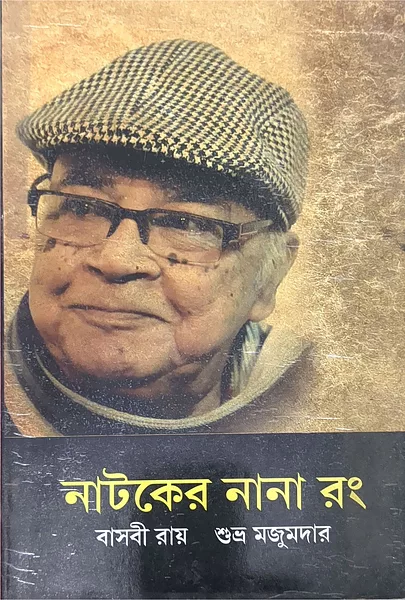
NSS has published books titled Master Fida Hussain and Habib Tanvir in Hindi by Dr Pratibha Agrawal, Sekāler Theatre o Beshbhushā (on old theatre and costumes) in Bangla by Debnarayan Gupta, Shyamanand Jalan: A Pictorial Tribute by Madhuchhanda Chatterjee, Nātaker Nānā Rang (a detailed analysis of Mohit Chattopadhyaya’s plays) in Bangla by Basabi Roy and Suvro Mazumder, Aparājitā (the famous monodrama in Bangla) by Nitish Sen, Hindi Theatre in Kolkata, a history by Dr Pratibha Agrawal and Samik Bandyopadhyay, and a booklet on Manmatha Ray by Debashis Roy Choudhury.
Two reference works titled Bhāratiya Rangakosh, Sandarbha: Hindi (Rang Prastutiyān and Rang Vyaktitva respectively), edited by Dr Pratibha Agrawal, were published in 2005-2006, in collaboration with the National School of Drama.
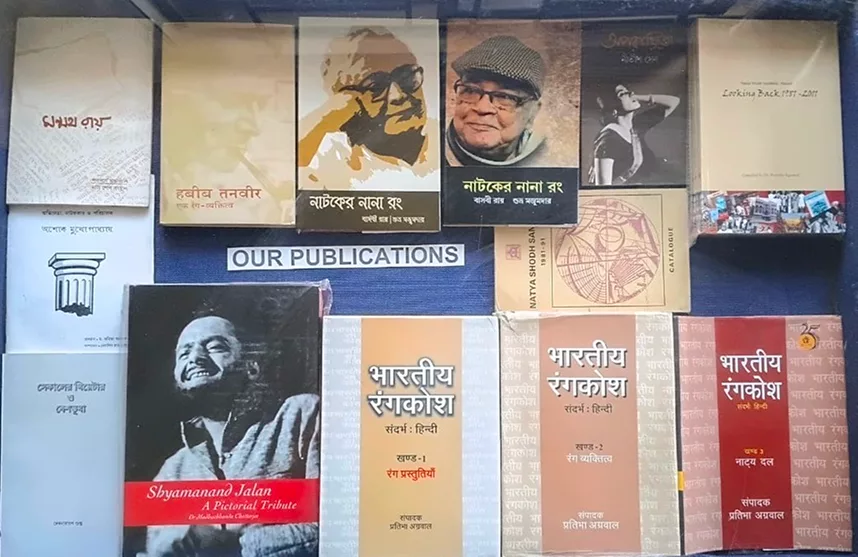
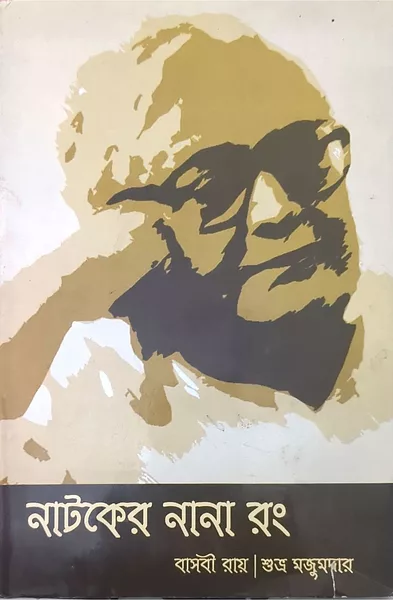
“Natoker Nana Rong”, featuring Mohit Chattopadhyay
“Natoker Nana Rong”, featuring Manoj Mitra
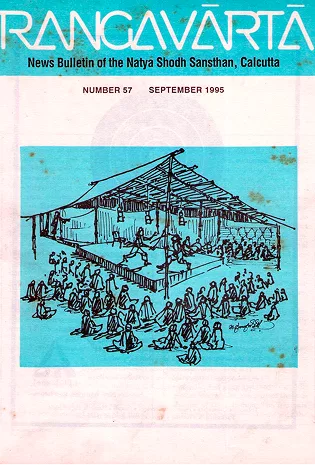
Booklets and folders on the work of Khaled Chowdhury, Kumar Roy, Shyamanand Jalan and Ashok Mukhopadhyay are the results of extensive work by the in-house team. Detailed documentation on Badal Sircar was done, and two booklets, in Bangla and in English, were published during Badal Utsava, an event to felicitate him on his 85th birthday.
NSS has also published two volumes of its own records. Volume 1, Looking Back, gives a comprehensive picture of NSS and its activities from 1981 to 2017, while Volume 2, Events, Views and Reviews, documents events organized and the reviews and views of scholars, journalists and theatre-lovers about NSS. Two catalogues consisting of the audio and video sections, and of the photographs and letters in NSS possession, have also been published.
Seminars
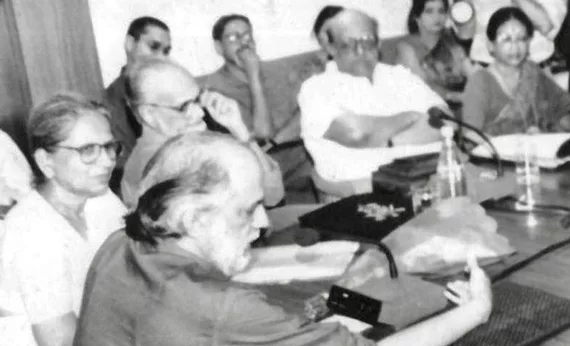
Among the many seminars organized by NSS, five roundtables, titled “Plays in a National Perspective”, documented discussions among dramatists, directors and critics of important modern Indian plays and resulted in exciting discoveries. Major playwrights and theatre personalities from all
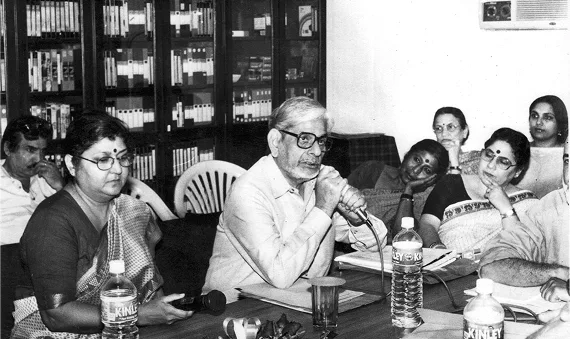
over the country graced the events with their presence. The completion of 30 years of NSS led to “A Journey of Three Decades”, a two-day national seminar of reflections on theatre archiving as an activity and the issues it raised. The proceedings of the seminar found place with the Ministry of Culture, Government of India, as a document voicing the need to adopt a national policy on the sustenance and recognition of performing arts archives in the future.
To celebrate the 150th birth anniversary of Rabindranath Tagore, NSS organized “Tagorean Theatre: Pan-Indian Response”.

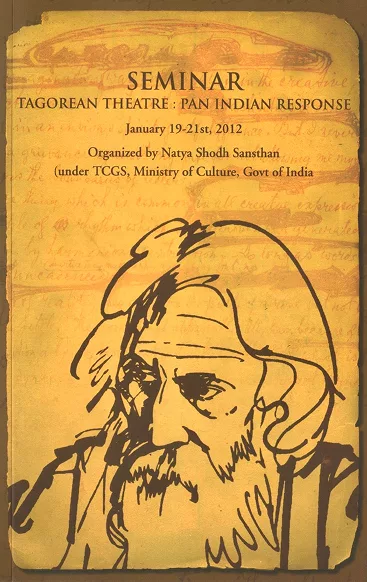
The seminar had speakers from all over India and Bangladesh who spoke about Tagore in theatre in their respective regions and their distinctive approaches to Tagore. Directors, artists and scholars from Kolkata to Bengaluru, Punjab to Manipur, made observations on thematic concerns, experiments and improvisations in Tagorean works.